
Contribuer au contenu ou vous faire connaître à l’Afrique et sa diaspora ? Contactez-nous ! Want to contribute content or promote yourself to Africa and its diaspora? Contact us!
WHO Leads Formation of Health Security Partnership Platform to Strengthen Ghana’s Emergency Response Capacity

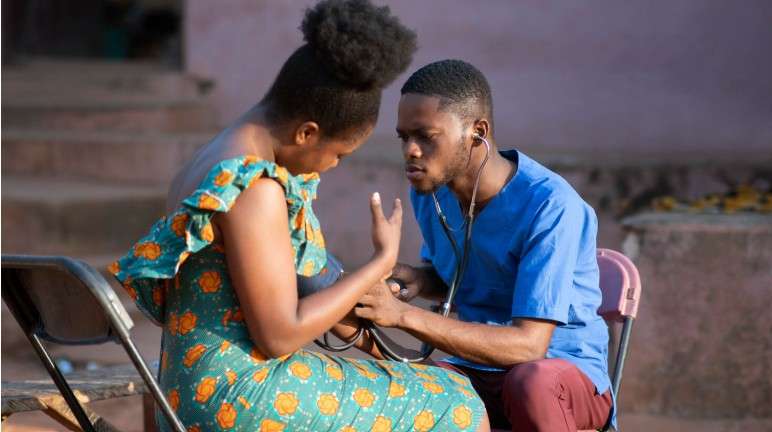
Coordinated approach mobilizes $800,000 for mpox response while reducing duplication among development partners
Ghana continues facing significant public health emergency vulnerabilities, with the country responding to multiple disease outbreaks between 2022 and 2025, including meningitis, dengue fever, cholera, Marburg virus disease, Lassa fever, and mpox. These health crises have placed considerable pressure on Ghana’s public health system, often disrupting essential healthcare delivery in the most affected regions.
Cholera resurgence highlights systemic challenges
One of the most significant health emergencies during this period was the resurgence of cholera after several years without major outbreaks. The outbreak extended into 2025, resulting in more than 7,000 cases and 51 deaths, demonstrating the continued vulnerability of Ghana’s health system to epidemic diseases.
During such emergencies, the World Health Organization and other development partners provide comprehensive technical and operational support to the Government of Ghana across multiple response areas including coordination, surveillance and laboratory services, treatment, mental health and psychosocial services, infection prevention and control, risk communication with community engagement, and logistics.
COVID-19 lessons drive coordination improvements
Lessons from the COVID-19 pandemic and other public health emergencies highlighted critical importance of coordination, harmonization, and accountability among development partners. While numerous partners supported health security efforts, no structured mechanism existed to coordinate and harmonize these contributions, sometimes leading to duplication of efforts and limited opportunities for partners to align resources with national priorities.
Recognizing this coordination gap, WHO facilitated formation of a specialized sub-group within the existing Health Development Partners framework, creating a dedicated platform focused on health security coordination and support alignment.
WHO establishes structured partnership framework
WHO supported the initial group formation and drafted Terms of Reference to guide operations. At the inaugural meeting convened by WHO, development partners reviewed the draft framework and provided input to shape the platform’s operational structure.
WHO now serves as chair and secretariat of the group, with the United States Centers for Disease Control and Prevention serving as co-chair, providing balanced leadership that combines global health organization expertise with bilateral technical capacity.
Comprehensive partner participation strengthens platform
The platform brings together key development partners working in health security, including the Africa Centres for Disease Control and Prevention, Food and Agriculture Organization, Global Fund to Fight AIDS, Tuberculosis and Malaria, International Organization for Migration, Japan Embassy, Japan International Cooperation Agency, Korea International Cooperation Agency, United Kingdom Foreign, Commonwealth and Development Office, UNICEF, US CDC, WHO, and the World Bank.
Partners convene every two months, with members rotating hosting responsibilities at their offices. This arrangement fosters platform ownership while creating networking and collaboration opportunities across different health programs.
Bi-weekly coordination meetings enhance outbreak response
To strengthen coordination during active outbreaks, WHO convenes bi-weekly virtual coordination meetings with partners. These sessions provide timely updates on epidemiological trends, response activities, and emerging needs, enabling partners to rapidly map resources and direct support to priority response areas.
Through the platform, development partners and government counterparts engage in discussions to strengthen coordination and alignment of support for public health emergency prevention, preparedness, readiness, response, and recovery in line with International Health Regulations.
Measurable impact demonstrated during mpox outbreak
The coordination platform’s effectiveness became evident during the mpox outbreak, when partners successfully aligned support to mobilize approximately $800,000 and additional resources from the Global Fund, WHO, US CDC, and UNICEF toward priority response activities across the country.
This coordinated approach reduced duplication, improved complementarity among partners, and strengthened national response efforts. As a result, the outbreak slowed significantly with mortality remaining low at approximately 0.7%, demonstrating the practical benefits of coordinated emergency response.
Broader preparedness efforts receive coordinated support
Beyond outbreak coordination, the platform supports comprehensive preparedness efforts. WHO, US CDC, and the Palladium Group, with funding from FCDO, are collaborating with the Government of Ghana to develop a five-year National Action Plan for Health Security and a two-year operational plan.
The planning process utilizes WHO’s NAPHS guidance and incorporates findings from the 2025 Joint External Evaluation of International Health Regulations capacities, ensuring Ghana’s preparedness investments are evidence-based and aligned with global standards.
Strategic advocacy advances health security priorities
The Health Development Partners Health Security Sub-Group has strengthened collaboration among key partners while facilitating joint advocacy with the Ministry of Health and other government sectors. Priority advocacy areas include strengthening public health emergency coordination systems and promoting One Health approaches that integrate human, animal, and environmental health.
By establishing a shared coordination mechanism, WHO has improved alignment of development partner support for health security in Ghana while supporting stronger collaboration, more efficient resource utilization, and enhanced preparedness for future public health emergencies—contributing to national efforts to protect lives and livelihoods.


