Contribuer au contenu ou vous faire connaître à l’Afrique et sa diaspora ? Contactez-nous ! Want to contribute content or promote yourself to Africa and its diaspora? Contact us!
Victoria Falls: The Smoke That Thunders in Zimbabwe

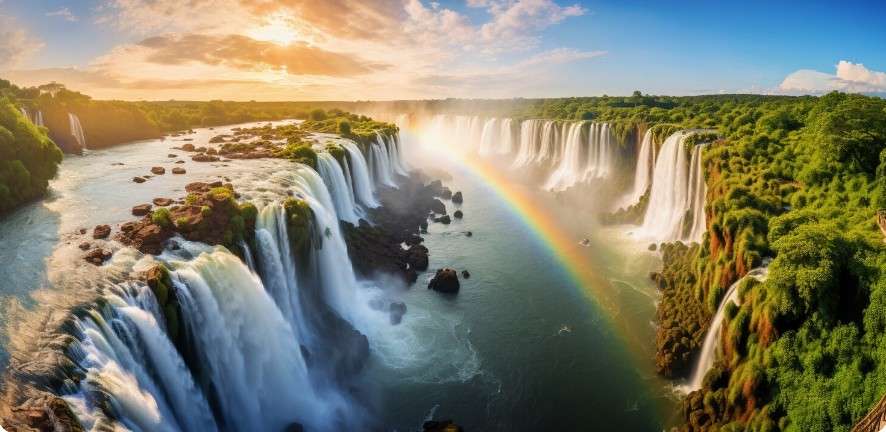
While the world knows it by the name given by David Livingstone, the local Lozi people have called it Mosi-oa-Tunya for generations. This isn’t just a waterfall; it is the largest curtain of falling water on the planet, creating a permanent rainstorm in the heart of the savanna.
- The Zambezi’s Plunge: The mighty Zambezi River, which forms the northern border of Zimbabwe, drops 108 meters into a narrow basalt gorge. During the high-water season, more than 500 million liters of water plummet over the edge every minute.
- The Rainbow Bridge: Because of the constant spray, lunar rainbows (moonbows) can often be seen at night during a full moon, a phenomenon rarely found anywhere else on earth outside of this region of Zimbabwe.
- The Rainforest Microclimate: The “smoke” (mist) from the falls rises so high that it sustains a lush, miniature rainforest on the cliffs directly opposite the cataract, providing a sharp green contrast to the surrounding dry bushveld.
A Natural Border and a Shared Heritage
The falls serve as a physical bridge between Zimbabwe and its neighbor, Zambia. For the people of Zimbabwe, the falls are a source of immense national pride and a primary driver of the local economy in the town of Victoria Falls. The roar of the water can be heard from kilometers away, serving as a constant reminder of the raw power of the African landscape.
Traveler’s Perspective
- The Knife-Edge Walk: To truly feel the power of the falls, walk the trail along the cliff edge in Zimbabwe. You will get soaked to the bone by the spray, which is considered a blessing by many locals.
- The Flight of Angels: Taking a helicopter or microlight flight over the gorge is the only way to appreciate the zig-zagging path the river has carved through the earth over millions of years.
- Seasonal Shifts: If you visit between September and December, the water levels are lower, revealing the intricate rock formations of the gorge. For the full “thunder” experience, aim for April or May when the Zambezi is at its peak.