
Contribuer au contenu ou vous faire connaître à l’Afrique et sa diaspora ? Contactez-nous ! Want to contribute content or promote yourself to Africa and its diaspora? Contact us!
Tuning Into Tomorrow: How Educational Television is Reshaping Learning in Burkina Faso

Imagine a classroom without walls, where millions of students, young people, and adults can learn math, health sciences, or history simply by pressing a button on a remote control. In Burkina Faso, this ambitious vision is a reality known as Educational Broadcasting, spearheaded today by the dedicated thematic channel RTB 3 (RTB Éducative).
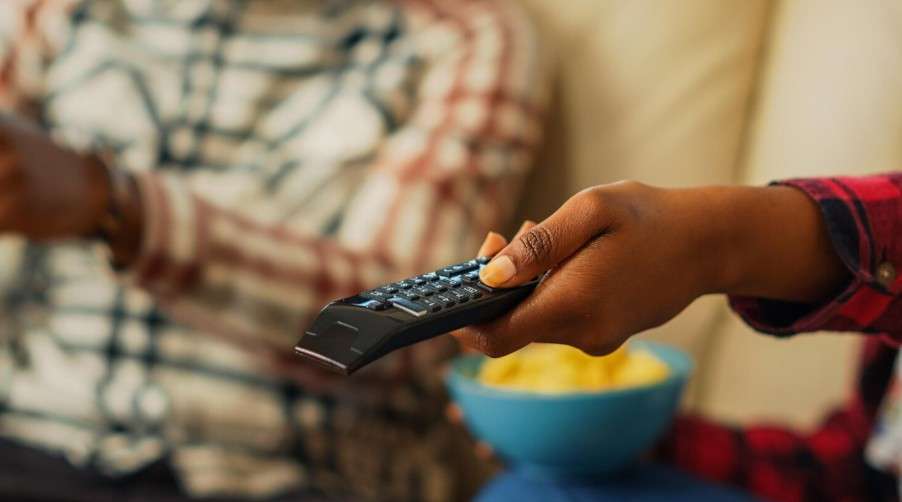
With access to traditional schooling facing major hurdles in many regions, Burkina Faso has turned to mass media to bridge the gap. Let’s dive into how this powerful tool is putting technology at the service of knowledge.
The Roots of Pedagogical Innovation
Using mass media for public instruction is not a new experiment in the “Land of Honest Men.” Since the 1960s and 70s, Burkina Faso has recognized the power of radio and television to reach rural communities, promote literacy, and support national development.
However, recent history forced a massive leap forward. Security crises and global health disruptions led to the temporary closure of thousands of schools across the country. In the face of adversity, the government had to fast-track remote learning solutions.
This urgent need birthed RTB 3, a television channel entirely dedicated to education, broadcasting 24/7 to ensure that no child’s learning comes to a standstill.
Beyond the Screen: The Core Missions of RTB Éducative
RTB Éducative is far more than just a stream of televised lectures. Its programming is strategically built around three main pillars:
1. Academic Continuity (Formal Education)
For primary and secondary school students—especially those displaced or unable to attend school due to regional security challenges—the channel provides televised classrooms. Experienced teachers deliver core lessons aligned with the national curriculum, helping students prepare for critical national exams like the CEP, BEPC, and Baccalauréat.
2. Literacy and Lifelong Learning
School dropouts and high illiteracy rates remain pressing issues. To tackle this, the station broadcasts adult literacy programs in local languages (such as Mooré, Dioula, and Fulfuldé), giving adults—particularly women—the foundational skills needed for financial independence and entrepreneurship.
3. Civic Engagement and Public Health
Education goes beyond textbooks. The channel dedicates a significant portion of its airtime to raising social awareness, covering topics like:
- Hygiene, nutrition, and reproductive health.
- Civic duties, tolerance, and peacebuilding.
- Modern agricultural techniques tailored for rural farmers.
Overcoming the Hurdles
While the mission is noble, broadcasting education across a developing nation comes with significant roadblocks:
- The Energy and Digital Divide: Access to reliable electricity and television sets (or DTT/TNT decoders) remains a challenge in deep rural areas.
- The Interactivity Gap: Television is traditionally a one-way street. The current challenge is integrating interactive tools—like SMS, community radio tie-ins, and mobile apps—so students can ask questions.
- Content Production: Adapting an entire school curriculum into engaging, high-quality video formats requires massive financial, technical, and human resources.
Looking Ahead: The Future of Learning
The future of educational broadcasting in Burkina Faso lies in a hybrid approach. While TV will never fully replace the magic of an in-person teacher, it has proven to be an indispensable ally. With the expansion of Digital Terrestrial Television (DTT) and the growing accessibility of mobile internet, RTB Éducative is evolving into a multimedia hub available on-demand.
By investing heavily in educational media, Burkina Faso is showcasing true resilience. It is powerful proof that in times of crisis, a television screen can become a tool for national rebuilding.
What are your thoughts? Have you ever watched or used educational TV programs? Do you think television and digital media are the keys to saving the future of education? Let us know your thoughts in the comments below!
📌 Don’t forget to share this article to help raise awareness for accessible education in Burkina Faso and beyond!


