Contribuer au contenu ou vous faire connaître à l’Afrique et sa diaspora ? Contactez-nous ! Want to contribute content or promote yourself to Africa and its diaspora? Contact us!
Shaping Southern Africa’s Future: What to Expect at the 46th SADC Summit in Durban

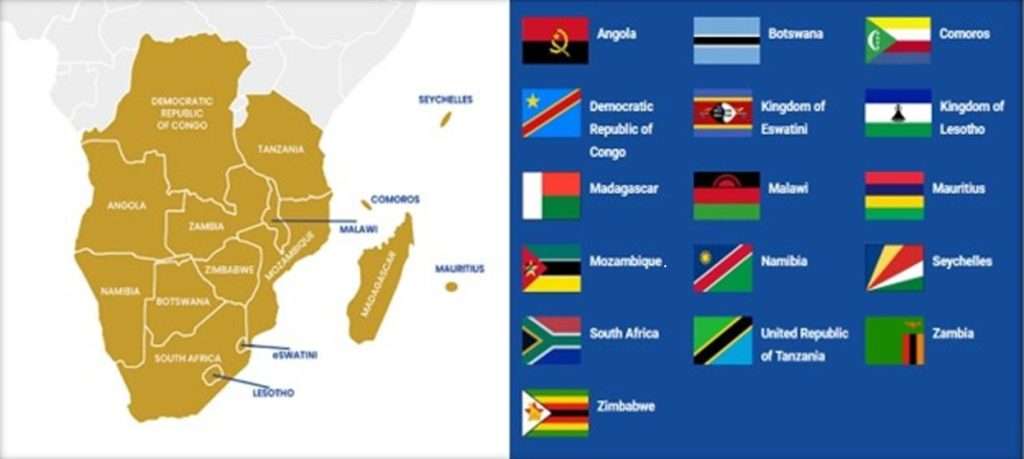
As mid-August approaches, the coastal hub of Durban, South Africa, is preparing to step into the diplomatic spotlight. On August 17, 2026, Heads of State and Government from the 16 member states of the Southern African Development Community (SADC) will convene at the Durban International Convention Centre (ICC) for the 46th Ordinary SADC Summit.
The gathering marks a pivotal moment for the region as host country South Africa, led by President Cyril Ramaphosa, officially assumes the SADC Chairship.
The Theme: Building a Resilient, Sustainable Regional Economy
This year’s summit centers around a clear strategic vision:
“Resilient, sustainable and inclusive industrialisation through Infrastructure Development, Agricultural and Critical Minerals Transformation in Pursuit of a Just World.”
Rather than focusing on abstract regional policy, the 2026 theme addresses three immediate priorities for Southern Africa: modernizing infrastructure, accelerating agricultural transformation, and capitalizing on the critical minerals boom. As global markets scramble for essential minerals necessary for green technology and renewable energy, SADC leaders are aiming to move beyond raw resource extraction toward local processing and high-value manufacturing.
Priority Agendas on the Durban Docket
Beyond the overarching theme, SADC leaders will tackle several critical operational and regional issues during the high-level talks:
- Operationalizing the Regional Development Fund: A long-standing objective for SADC has been creating self-sustaining financing mechanisms for regional cross-border infrastructure. Pushing the Regional Development Fund into operational status remains a priority.
- Food Security and Climate Resilience: Following severe weather fluctuations and climate impacts across Southern Africa over recent seasons, discussions will focus heavily on bolstering regional food and nutrition security alongside strengthening disaster preparedness through the SADC Humanitarian and Emergency Operations Centre (SHOC).
- Regional Peace, Security, and Peacekeeping: Through the SADC Organ Troika on Politics, Defence, and Security Cooperation, leaders will assess regional security efforts and stability initiatives to ensure economic projects rest on a secure foundation.
- Navigating Global Geopolitics: With shifting global trade alliances and supply chain recalibrations, member states will coordinate strategies to keep the region competitive and united.
The Build-Up: A Packed SADC Calendar
The main Heads of State summit on August 17 is the culmination of weeks of targeted regional engagements:
- July 27–31: SADC Industrialisation Week, bringing together business leaders, public-private partners, and investors at the Durban ICC to drive cross-border trade.
- August 4–8: Senior Officials and Finance Committee technical meetings to prepare policy draft resolutions.
- August 12–14: The SADC Council of Ministers Meeting, alongside a public lecture at the University of KwaZulu-Natal (UKZN).
- August 15–16: Meetings of the Organ Troika on Politics, Defence, and Security Cooperation.
Why It Matters
With a combined market of over 390 million people across 16 member countries, decisions made at SADC summits directly impact cross-border commerce, energy access, transport corridors, and regional peace.
As South Africa takes the helm for the next 12 months, the Durban summit sets the trajectory for how Southern Africa translates its vast natural resources and youth demographic into lasting regional prosperity.