Contribuer au contenu ou vous faire connaître à l’Afrique et sa diaspora ? Contactez-nous ! Want to contribute content or promote yourself to Africa and its diaspora? Contact us!
Nairobi, Kenya: The Pulse of the Silicon Savannah

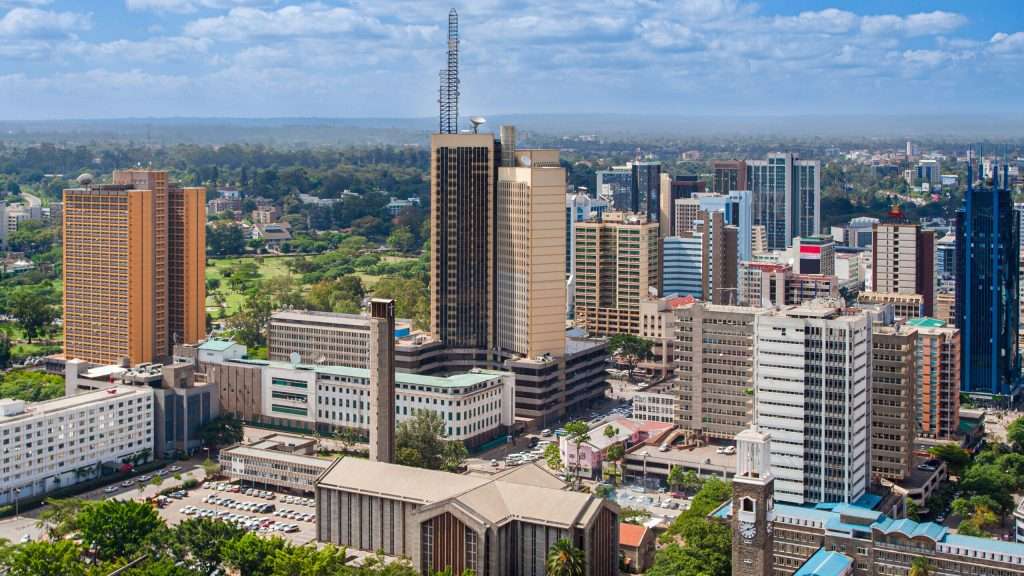
Nairobi isn’t just “another city with startups”; it is the innovation heartbeat of the region. As of early 2026, it holds its crown as the #1 Startup Ecosystem in Eastern Africa and has climbed to #107 globally according to the StartupBlink Index.
The city’s unique “Gold Standard” lies in its ability to blend high-tech innovation with “street-level” utility. From the ubiquitous mobile money rails of M-Pesa to the massive data center expansion currently underway, Nairobi is transitioning from a software-first hub to a full-stack “Intelligence Economy.”
Data at a Glance (2025–2026)
| Metric | 2025/2026 Stat | Significance |
| Total Funding (Kenya) | $984 Million | 30% of all African startup capital. |
| Funding Structure | 60% Debt / 40% Equity | Signals shift toward mature, asset-heavy companies. |
| Regional Dominance | 1st in East Africa | Nairobi accounts for 92% of Kenya’s tech activity. |
| AI Hub Ranking | 4th in Africa | Driven by robust “Sovereign AI” policies and Swahili LLMs. |
| Infrastructure Bet | Konza Technopolis | A dedicated 5,000-acre smart city/SEZ node. |
Ecosystem Strengths
The Climate & Energy Capital
Nairobi has emerged as Africa’s leader in Greentech and Climate-resilient infrastructure. In 2025, over half of the country’s billion-dollar funding went to energy-focused startups like Sun King, M-Kopa, and BasiGo (electric mobility). The city leverages Kenya’s geothermal-rich grid to attract hyperscale data centers looking to decarbonize their supply chains.
The Rise of Sovereign AI
The 2026 Nairobi AI Forum solidified the city’s position in the “Intelligence Economy.” With initiatives providing over 1.5 million GPU hours to local innovators, the focus has shifted toward building AI that speaks Swahili and solves local agritech hurdles. Unlike the “move fast and break things” era, Nairobi’s AI is being “embedded” into existing workflows in education and healthcare.
Talent & Connectivity
Nairobi boasts one of the continent’s most concentrated developer pools, supported by hubs like iHub and Gearbox, and global giants like Google and Microsoft who have established R&D centers here. With 5G trials expanding and a push for “Sovereign Talent,” the city is no longer just importing tech—it’s exporting logic.
The Heavy Hitters: Startups to Watc
M-Kopa
Recently turned its first profit in 2025 ($9.2M gain). It operates one of Africa’s largest smartphone assembly plants in Nairobi and has expanded from solar kits to financing 5,000+ electric motorbikes.
Apollo Agriculture
A titan in Agritech, using AI and satellite imagery to provide credit and advice to over 350,000 farmers, with a goal of hitting 2.3 million users by the end of 2026.
Turaco
The company “cracking” the insurance market. By embedding micro-insurance into mobile money payments, they’ve covered 5 million people with a same-day claims process via WhatsApp.
BasiGo
The face of the electric vehicle (EV) revolution in East Africa. Backed by VAT exemptions and green policies, they are currently on track to have 1,000 electric buses on Nairobi’s roads by 2027.
Current Challenges & Opportunitie
The “Connectivity Bottleneck”
While 5G is growing, only a small percentage of mobile users are connected, and the cost of high-performance AI-capable devices remains high for the average citizen.
Infrastructure vs. Code
South Africa still leads in raw data center megawatt capacity. For Nairobi to maintain its “Silicon Savannah” title, it must pivot from “writing code” to “pouring concrete”—scaling its physical compute infrastructure to match its software ambitions.
The Funding Gap
As capital concentrates in larger “scale-ups” (the top 75 ventures), early-stage founders are finding it harder to secure seed funding, creating a need for more local angel investor networks.
Nairobi is proof that African tech isn’t just a “frontier”—it’s a laboratory for the world’s most resilient solutions.