Contribuer au contenu ou vous faire connaître à l’Afrique et sa diaspora ? Contactez-nous ! Want to contribute content or promote yourself to Africa and its diaspora? Contact us!
Top News Stories from Bénin – November 2025

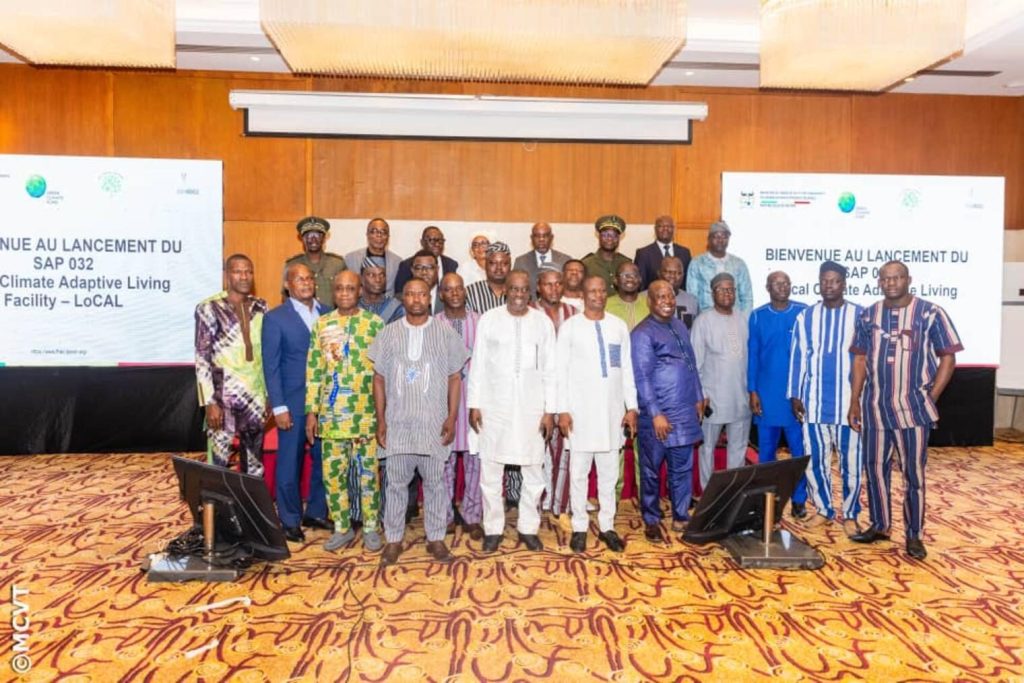
November 2025 was a significant month for Bénin, marked by important political developments, international climate initiatives, and regional security concerns. Here’s a comprehensive overview of the major stories that shaped the month.
Legislative Elections 2026: Electoral Process Enters Critical Phase
One of the most important domestic developments in November was the opening of candidate registration for the January 2026 legislative elections. The Electoral Commission (CENA) launched the registration period from November 15-19, representing a crucial milestone in Bénin’s democratic process.
Six political parties submitted their candidacy files within the deadline and were officially recognized by CENA on November 20. These parties include Force Cauris Pour un Bénin Emergent (FCBE), Union Progressiste Le Renouveau (UP-R), Bloc Républicain (BR), Les Démocrates, Mouvement des élites engagées pour l’émancipation du Bénin (MOELE-Bénin), and Grande Solidarité Républicaine (GSR).
The upcoming elections will see the country elect 109 deputies, with each party required to present lists of 85 regular candidates plus 24 female candidates for seats exclusively reserved for women. The legislative elections are scheduled for January 11, 2026, to be held jointly with municipal elections, followed by presidential elections on April 12, 2026.
This marks a significant moment for Bénin’s democracy, as it will be the first time since the 2019 constitutional revision that the country organizes combined municipal, legislative, and presidential elections within the same electoral year.
Climate Leadership on the Global Stage
Bénin made headlines at COP29 in Baku, Azerbaijan on November 15, when the government unveiled an ambitious climate action framework in collaboration with international financial institutions. This comprehensive initiative signals Bénin’s commitment to addressing climate change through innovative financing mechanisms.
The framework includes several key components:
Carbon Monetization: The country is implementing a carbon monetization strategy backed by 2.5 million carbon credits from energy and regenerative agriculture projects.
International Financial Support: The OPEC Fund pledged EUR 30 million in 2025, with additional funding anticipated in 2026. This builds on existing commitments including $1.4 billion from the World Bank Group’s International Development Association and $200 million from the IMF’s Resilience and Sustainability Facility.
Innovative Financing Instruments: Bénin is developing enhanced credit instruments and establishing a climate finance platform to mobilize both public and private sector resources. The country is also working with the European Union to strengthen its green bond market to attract institutional investment.
Senior Minister Romuald Wadagni emphasized that Bénin is transforming climate goals into action, stating the country aims to unlock private investment to drive climate action. With an estimated financing gap of about $10 billion by 2030 to achieve its climate goals, these initiatives represent a significant step forward in Bénin’s climate ambitions.
Regional Security Challenges
Beyond its borders, Bénin remained vigilant about security developments in the West African region. On November 26, gunfire was heard near the presidential palace in Guinea-Bissau, just days after elections in that country. Military forces announced they had taken power in Guinea-Bissau, marking another coup attempt in the region.
This development is particularly relevant for Bénin, which has experienced increased security threats in its northern border regions from extremist groups based in neighboring Burkina Faso and Niger. The instability in Guinea-Bissau adds to concerns about democratic backsliding across West Africa, where military coups have occurred in several countries including Niger, Burkina Faso, Mali, and Guinea in recent years.
Bénin’s own commitment to democratic processes, evidenced by its organized electoral preparations, stands in contrast to this regional trend of unconstitutional changes of government.
Looking Ahead
As November closed, Bénin found itself at a critical juncture. The country is preparing for a triple electoral cycle in early 2026, demonstrating its democratic institutions while neighboring countries face political instability. Simultaneously, Bénin is positioning itself as a climate leader in Africa through innovative financing mechanisms and international partnerships.
The coming months will be crucial as the country moves toward its January 2026 legislative and municipal elections. The electoral campaign is scheduled to begin on December 26, 2025, just weeks away, setting the stage for what promises to be a pivotal year in Bénin’s political and environmental trajectory.
With President Patrice Talon set to step down after the April 2026 presidential elections, having been in power since 2016, Bénin faces both challenges and opportunities as it seeks to maintain democratic stability while addressing climate change and regional security concerns.
These developments from November 2025 highlight Bénin’s dual focus on strengthening its democratic institutions while taking bold steps on climate action, even as the broader West African region faces significant political and security challenges.