Contribuer au contenu ou vous faire connaître à l’Afrique et sa diaspora ? Contactez-nous ! Want to contribute content or promote yourself to Africa and its diaspora? Contact us!
Niger (Q2 2026): A Charter for National Renewal, the Reopening of the Niger–Benin Pipeline, and a Diplomatic Pivot to Ankara


1. Political Landscape, Institutions, and Governance
A Five‑Year Transition Under the Charter for National Renewal Niger’s political trajectory settled into a long-term framework in May 2026 with the adoption of the Charter for National Renewal. The document formalizes a five‑year transition led by General Abdourahamane Tiani, effectively cementing a break from the country’s previous democratic model. It also aligns Niamey with the governance philosophy of its Sahel Alliance partners (AES), explicitly tying the duration of the transition to improvements in national security.
The Bazoum Question The continued detention of former president Mohamed Bazoum remains one of the most sensitive political flashpoints. His status fuels tensions with civil opposition networks at a time when the regime is tightening its grip on the political space and dismantling traditional party activities.
2. National Security and Geopolitical Realignments
Critical Infrastructure Under Pressure Security remains the most unpredictable challenge of the quarter. On 18 June 2026, Niamey’s Diori Hamani International Airport was targeted in a violent attack claimed by JNIM, an Al‑Qaeda affiliate. Although Niger’s Defense and Security Forces repelled the assault, the incident highlighted the persistent ability of armed groups to strike symbolic infrastructure — a threat also visible in the volatile tri-border region around Tillabéri.
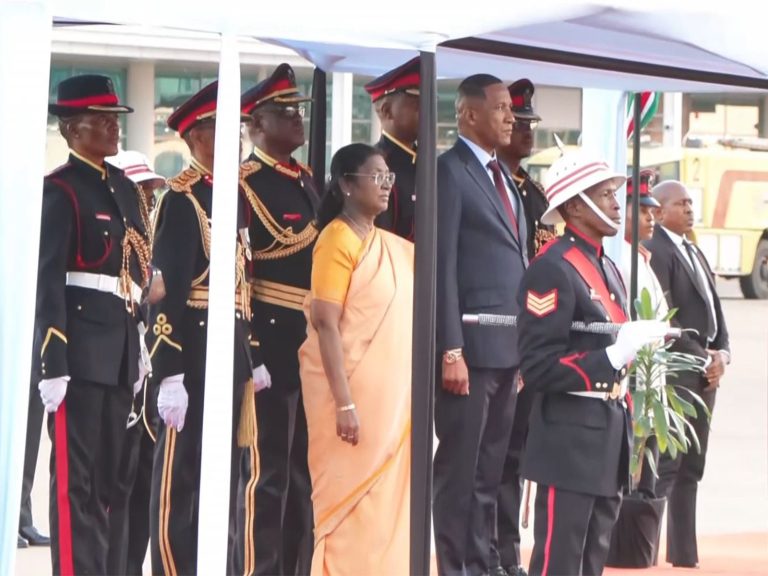
A New Diplomatic Narrative and the Ankara Axis Breaking decisively with Paris and Washington, Niger is accelerating a strategy of “sovereign partnerships.” In June 2026, General Tiani’s first official trip outside Africa took him to Ankara. Welcomed by President Recep Tayyip Erdoğan, the visit produced a series of strategic agreements spanning defense, mining, and health. The move positions Turkey as a central partner for the AES, alongside Russia’s Africa Corps military presence.
3. Economy, Infrastructure, and Energy
Restarting the Niger–Benin Export Pipeline (NBEP) After months of economic paralysis, May and June 2026 marked a major pragmatic shift. Through Chinese mediation led by CNPC — and driven by mutual financial necessity — Prime Minister Ali Mahamane Lamine Zeine traveled to Benin to finalize an agreement lifting the suspension of crude shipments. The 1,950‑km pipeline is now back online, allowing Niger to pursue its export target of 110,000 barrels per day through the Sèmè‑Kpodji terminal.
Macroeconomic Outlook and IMF Support With oil flows resuming and new mining projects (uranium and gold at Dasa and Madaouela) expected to expand, Niger’s real GDP growth is projected at 6.7% in 2026, according to the IMF. Successive technical agreements — including a June 2026 progress review under the Extended Credit Facility — provide crucial support to stabilize the macroeconomic environment, even as underlying inflation continues to strain household purchasing power.