Contribuer au contenu ou vous faire connaître à l’Afrique et sa diaspora ? Contactez-nous ! Want to contribute content or promote yourself to Africa and its diaspora? Contact us!
Liberia’s Youth Policy Goes Local: Empowering a Generation for Peace and Progress

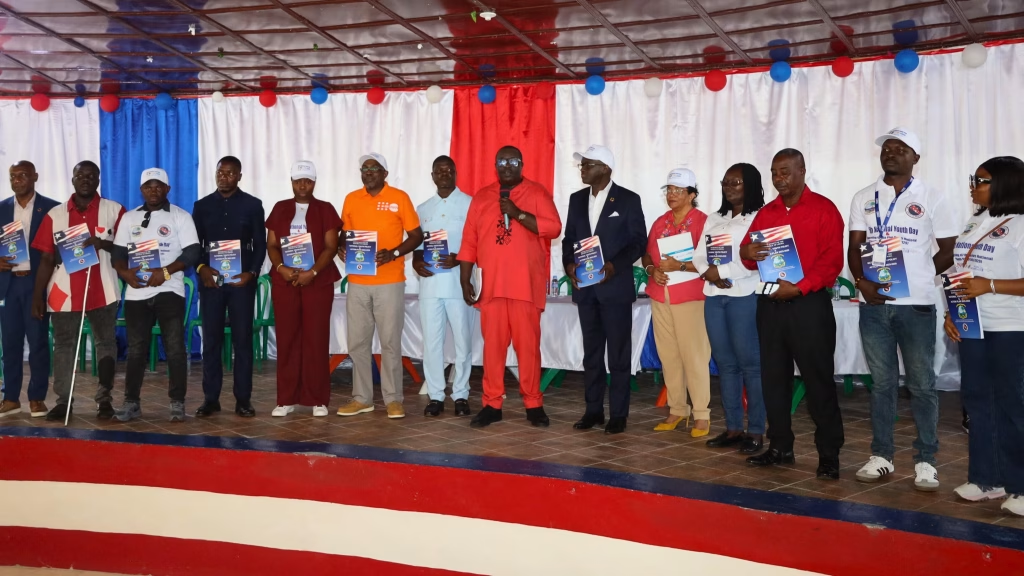
In a pivotal move to truly embed its National Youth Policy (2025-2029) within the communities it serves, Liberia has successfully concluded a series of regional dialogues designed to empower its young citizens. This initiative, which saw policy discussions move from national offices directly to local towns, aims to ensure that the nation’s substantial youth population not only understands but actively participates in shaping their future and Liberia’s ongoing peace and development.
From July 13 to 20, 2026, the Ministry of Youth and Sports, in collaboration with UN Women, UNFPA, and OHCHR, spearheaded these vital engagements across Monrovia, Buchanan, Gbarnga, and Zwedru. Funded by the United Nations Peacebuilding Fund (PBF), the dialogues represent a concerted effort to translate top-down commitments into tangible, grassroots action, leveraging the energy and insights of Liberia’s young demographic.
Liberia’s demographic landscape underscores the urgency of such initiatives: with approximately 75 percent of its population under 35, young people are not merely beneficiaries but the architects of the nation’s stability. The revised National Youth Policy and Costed Implementation Plan (2025-2029), launched in October 2025, sets out an ambitious framework for youth empowerment, inclusion, participation, and leadership. However, its effectiveness hinges on widespread comprehension and ownership, a challenge that historically has left many, particularly marginalized groups like young women, rural youth, and those with disabilities, on the periphery.
Recognizing this critical awareness gap, the regional dialogues adopted an inclusive approach. They brought together a diverse array of stakeholders, including youth leaders, representatives from youth-led and young women’s organizations, disability advocacy groups, students, civil society members, and local authorities. These participants delved into the policy’s priorities, dissecting what its commitments mean for their daily lives and identifying practical steps for implementation within their respective counties.
A cornerstone of this outreach was accessibility. To ensure genuine engagement, simplified versions of the National Youth Policy were made available, including crucial Braille formats, specifically catering to young people with disabilities. Furthermore, UN Women led sessions focused on the Policy’s Communication and Dissemination Strategy, equipping participants with modern tools—from social media and WhatsApp to traditional radio and community outreach—to amplify its messages effectively across their networks.
One national delegate praised the intentional and inclusive nature of the policy’s dissemination, remarking on its stark contrast to previous, less participatory approaches. These dialogues were instrumental in clarifying the roles of various actors—from government institutions and youth structures to civil society organizations and international partners—in policy execution, monitoring, and accountability at the county level. Participants left with concrete plans, transforming abstract policy goals into localized, actionable steps.
This critical outreach forms part of the broader “Youth Promotion Initiative: Accelerating Digital Opportunities for Youth Civic Participation as a Lever for Building and Sustaining Peace in Liberia.” This joint programme, implemented by UN Women, UNFPA, and OHCHR with UN Peacebuilding Fund backing, aims to cultivate an environment where young Liberians are not just beneficiaries of peace but active agents in its construction and maintenance.
By bringing the National Youth Policy directly to the grassroots and equipping young people with the knowledge and tools to drive its implementation, Liberia is taking a significant step towards translating national aspirations into meaningful community-level action. It’s a powerful testament to the belief that genuine peace and sustainable development can only be achieved when the voices and initiatives of a nation’s youth are truly at the forefront.