Contribuer au contenu ou vous faire connaître à l’Afrique et sa diaspora ? Contactez-nous ! Want to contribute content or promote yourself to Africa and its diaspora? Contact us!
Algeria’s Exit from the FATF Grey List: A Historic Turning Point for the Algerian Economy

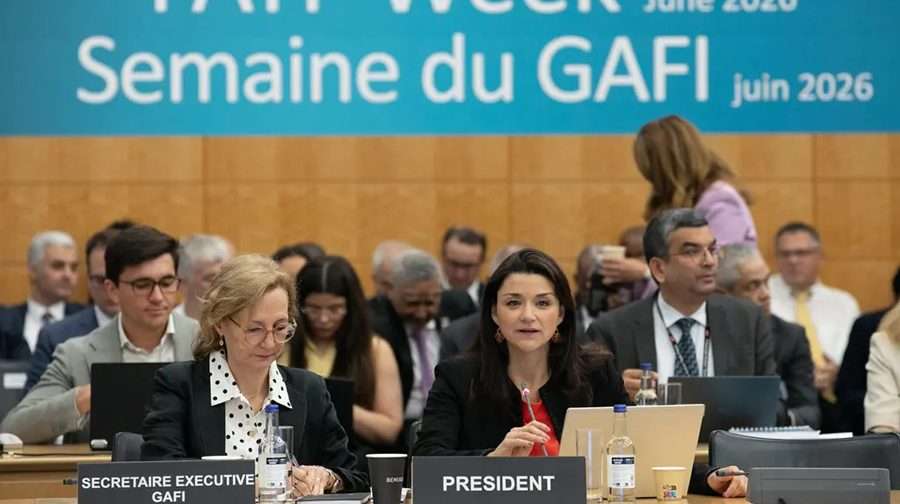
On June 19, 2026, at its plenary session in Paris, the Financial Action Task Force officially removed Algeria from its grey list, ending the enhanced monitoring that had weighed on the country’s financial reputation since its listing in 2024. The unanimous decision marks a significant win for Algerian authorities and sends a strong signal to international investors.
Background: What Is the FATF Grey List?
The FATF grey list groups together countries considered to have strategic deficiencies in their frameworks for combating money laundering and terrorist financing, without posing the more serious threat associated with blacklisted countries. Being placed under this heightened monitoring can make it harder to access international financing, raise transaction costs, and erode trust among foreign partners.
Algeria was placed back on the list in October 2024. Less than two years later, it has exited after demonstrating rapid and substantial progress.
The Reforms Behind the Exit
Algerian authorities rolled out an ambitious, accelerated action plan built around several key measures: strengthening the legal and regulatory framework for financial transparency, improving risk-based supervision, effectively implementing beneficial-ownership transparency for companies, stepping up investigations and prosecutions related to money laundering, and improving coordination among relevant institutions, including the Bank of Algeria, financial intelligence units, and the judiciary. The FATF particularly praised the high-level political commitment behind the effort and the concrete results confirmed through on-site verification visits.
Economic and Financial Impact of the Exit
The decision is expected to bring several benefits. Investor confidence should improve, as foreign partners come to view Algeria as a safer market aligned with international standards. Trade should also become easier, with lower costs and fewer constraints tied to correspondent banking relationships. A more transparent financial environment is likewise a major asset for attracting foreign direct investment and diversifying the economy beyond hydrocarbons, while reinforcing Algeria’s position as a reliable partner across North Africa and the wider Mediterranean.
What Comes Next
While the exit from the grey list is a major achievement, the work is not over. Authorities will need to sustain and deepen the reforms already underway to avoid any backsliding. The challenge now is to turn these regulatory gains into a genuine culture of transparency and sound financial governance.
Many observers believe this milestone could pave the way for new strategic partnerships and deeper integration of the Algerian economy into global financial circuits.
A Win for Algerian Economic Diplomacy
Algeria’s exit from the FATF grey list shows what the country can achieve through rapid structural reform when strong political will is behind it—a message of hope and credibility that strengthens Algeria’s appeal on the international stage.