Contribuer au contenu ou vous faire connaître à l’Afrique et sa diaspora ? Contactez-nous ! Want to contribute content or promote yourself to Africa and its diaspora? Contact us!
The Soul of Unity: Cultural Diplomacy and Shared African Identity


When Culture Transcends Borders
There is a moment that happens again and again across the African continent and in African diaspora communities around the world: a young person hears a song, watches a film, reads a book, or experiences a performance—and suddenly recognizes themselves in it. They see their struggles reflected, their dreams affirmed, their dignity celebrated. In that moment, something shifts. They feel connected not just to their own nation or ethnic group, but to a larger African whole.
This is the profound power of culture. While political agreements can be negotiated and economic transactions completed, culture touches something deeper—it speaks to identity, belonging, and shared humanity. As African artists, musicians, filmmakers, and writers have increasingly shared their work across borders, they’ve become some of the most powerful ambassadors for African unity.
Culture is not a luxury or entertainment—it’s a fundamental force that shapes how we see ourselves and each other. In the context of African unity, cultural exchange and collaboration are not supplementary to political and economic integration. They are central to it. They create the emotional and spiritual bonds that make unity feel natural rather than imposed.
African Music: The Soundtrack of Continental Connection
Music is perhaps Africa’s greatest gift to the world. From jazz to hip-hop, from reggae to electronic music, African rhythms and sensibilities have shaped global culture. But increasingly, African music is also becoming the soundtrack of African unity.
The pan-African appeal of artists like Burna Boy from Nigeria, Wizkid, CKay, Amapiano producers from South Africa, and countless others demonstrates something remarkable: African youth across the continent are listening to the same music, dancing to the same beats, singing the same songs. A teenager in Kenya knows the latest hits from Accra. A young adult in Senegal follows artists from Lagos. Music fans across the continent celebrate each other’s musicians as their own.
What’s particularly significant is that this isn’t Western-mediated. These connections aren’t happening because a global corporation decided to promote African artists. They’re organic—Africans finding and celebrating each other’s music through digital platforms, social media, and live performances. When thousands of young Africans gather at music festivals across the continent to celebrate artists from different countries, they’re doing something profound: they’re experiencing African unity as joy and celebration.
The evolution of genres like Afrobeats demonstrates this beautifully. What began as distinctly Nigerian and Ghanaian sounds has become a continental phenomenon, with producers and artists from across Africa contributing to and evolving the genre. Amapiano from South Africa, Gqom, Kwaito, and other styles flow across borders, inspire artists in other regions, and create a shared musical language.
Artists themselves are increasingly conscious of their role in continental unity. They collaborate across borders—a Nigerian artist featuring a Kenyan rapper, a South African producer working with Ghanaian vocalists. These collaborations create music that’s more than commercially successful—they’re cultural bridges, literally combining sounds and styles from different parts of the continent.
Film and Television: Seeing Ourselves on Screen
For much of modern history, African stories were told by outsiders. African characters were portrayed through colonial lenses, African narratives shaped by non-African perspectives. This is changing as African filmmakers reclaim the right to tell African stories.
The rise of African cinema is one of the continent’s most exciting cultural developments. Filmmakers from Nigeria, South Africa, Kenya, Senegal, and across Africa are producing films of international quality that tell distinctly African stories. These aren’t films made for Western audiences to consume Africa—they’re films made by Africans, often for African audiences primarily, telling stories rooted in African realities.
What’s remarkable is how African audiences across the continent watch these films. A Nigerian film finds viewers across West Africa and beyond. A South African drama resonates across Southern Africa and the continent. When an African film addresses universal human experiences—family, love, struggle, hope—through African contexts, it speaks to Africans everywhere.
Streaming platforms have amplified this. Services like Netflix have invested heavily in African content, but more importantly, they’ve created access. An African teenager in any country can now watch films from across the continent. They see themselves reflected in characters and stories from other African nations. They develop understanding and connection across borders.
Television series are playing a particularly important role. When a series becomes a continental phenomenon—everyone talking about the same characters, debating plot twists together, following the same storylines—it creates shared cultural experience. These shared narratives become part of continental conversation.
Beyond commercial success, African filmmakers are increasingly conscious of their cultural ambassadorial role. Documentaries exploring pan-African history, films celebrating African heroes, stories addressing continental challenges—these become tools for building understanding and solidarity across borders.
Literature: Words That Bridge Continents
African literature has long been a source of continental pride and connection. From Chinua Achebe to Chimamanda Ngozi Adichie, from Wole Soyinka to NoViolet Bulawayo, African writers have told African stories with power and sophistication that commands global attention.
What’s evolving is the increasingly interconnected African literary community. African writers read and reference each other’s work. Publishers across the continent distribute books widely. Book clubs and literary festivals bring African readers and writers together across borders. Young African writers are influenced by and build upon the work of writers from across the continent, not just their own countries.
Literature does something unique: it invites readers into interior lives, into the thoughts and feelings of characters from different places. When a South African reader encounters a novel by a West African writer, they step into that writer’s world, understand that person’s perspective, feel their emotions. This creates empathy and understanding that transcends national boundaries.
The increasing translation of African literature into multiple African languages (not just English and French) is particularly significant. When a novel written in Yoruba is translated into Amharic and Swahili, it reaches readers across the continent who might not speak the original language. It demonstrates that African intellectual traditions belong to all Africans.
Young adult literature and children’s books are also playing important roles. When African children see themselves as heroes in stories, see their cultures celebrated, see African settings and African characters as protagonists, it shapes their identity and self-image. Pan-African children’s literature helps young Africans see themselves as part of a larger continental community.
Visual Arts: Color, Form, and Continental Expression
African visual arts—painting, sculpture, contemporary art, street art, and digital art—have long been powerful expressions of African identity and experience. Increasingly, African artists are engaging in continental dialogue, influenced by and influencing each other across borders.
Contemporary African art has gained global recognition, but more importantly, it’s creating connections within the continent. African art galleries and museums showcase works by artists from across Africa. Contemporary African art movements cross borders as artists engage with similar themes and techniques. Street art and muralism across African cities increasingly celebrate pan-African themes and heroes.
What’s powerful about visual arts in the context of unity is their universality. A sculpture from Zimbabwe speaks to viewers in Senegal without translation. A painting from Kenya resonates with audiences in South Africa. Visual language transcends linguistic and national boundaries while remaining distinctly African.
Fashion: Wearing African Identity
African fashion is experiencing a renaissance, and it’s becoming a powerful expression of continental identity. Designers across Africa are drawing on traditional textiles, patterns, and design philosophies while creating contemporary fashion that’s innovative and globally competitive.
What’s significant is how African fashion is becoming continental. Designers from different countries collaborate and influence each other. Traditional patterns from one region are adapted by designers in another. Fashion weeks across Africa celebrate designers from across the continent. Young Africans wearing African fashion from different designers across the continent are making a statement: this is who we are, and we’re proud of it.
Fashion designers are also conscious ambassadors for African unity. They collaborate across borders, create collections that reference pan-African themes, and use their platforms to celebrate African beauty, identity, and pride. When a young person in Lagos wears a dress designed in Nairobi, or someone in Accra rocks a style originating in Johannesburg, they’re participating in continental cultural exchange.
Dance: Bodies Moving Together
Dance is perhaps the most universal language. African dance—in its incredible diversity—has influenced global culture profoundly. But increasingly, African dancers are also sharing their art forms with each other across the continent.
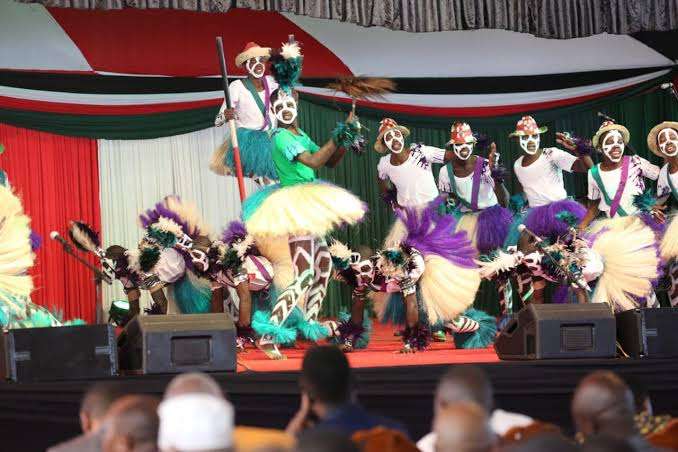
Traditional dance forms from one region are being studied and performed by dancers from other regions. Contemporary African dance blends influences from across the continent. Dance festivals celebrate choreographers and dancers from multiple African nations. Young dancers learn styles from different African traditions, creating hybrid forms that are distinctly continental.
When African dancers perform together across borders, when traditional dances from one culture are respectfully learned and performed by people from another African culture, something important happens: it communicates respect, connection, and shared humanity.
Sports: Celebrating Continental Excellence
While not traditionally thought of as cultural diplomacy, sports play a significant role in African continental identity. African athletes competing at continental championships, the African Cup of Nations in football, and other sporting events create moments of shared pride and celebration.
More significantly, successful African athletes become ambassadors for their continent globally. When a Kenyan runner, Nigerian footballer, or South African boxer succeeds on the world stage, they represent not just their nation but Africa. Young Africans across the continent follow these athletes, celebrate their achievements, and see them as exemplars of African excellence and pride.
The Festival Circuit: Continental Gathering Places
African cultural festivals are increasingly pan-continental events. FESPACO (the Pan-African Film Festival) in Burkina Faso, Afrochella in Ghana, the African Union Day celebrations, and countless others create spaces where African artists, performers, and audiences from across the continent gather.
These festivals do more than showcase culture—they create moments of continental connection. Artists collaborate. Audiences experience work from across Africa. Conversations happen that strengthen networks and understanding. These events demonstrate that African culture belongs to all Africans, and create emotional bonds of shared identity.
Breaking Down Stereotypes Through Authentic Representation
One of culture’s most important roles in promoting unity is breaking down harmful stereotypes and misunderstandings between different African nations and regions. When Africans see authentic portrayals of other African cultures—not through colonial or racist lenses, but through African creators—it transforms understanding.
A Nigerian might watch a South African film and gain deep understanding of South African realities. A Kenyan might read a West African novel and recognize commonalities despite differences. A Ghanaian might hear music from East Africa and discover new dimensions of African sound. These authentic encounters replace stereotypes with real knowledge and connection.
Digital Platforms: Democratizing Cultural Access
The internet and social media platforms have revolutionized cultural access. An aspiring musician in Tanzania can access production tools and reach audiences across the continent. An artist in Cameroon can showcase work globally and attract continental attention. A writer in Uganda can publish and find readers without traditional gatekeepers.
This democratization means that cultural influence is no longer concentrated in a few major cities or nations. Excellence and creativity can emerge from anywhere, be recognized continentally, and contribute to continental cultural evolution. Young people with smartphones are creating art, music, and content that reaches audiences across Africa.
The Economic Dimension: Culture as Continental Commerce
As culture has become increasingly valuable economically, African nations are recognizing its importance to development. The creative industries—film, music, fashion, design—are growing sectors that create employment and generate revenue.
When these industries are integrated continentally through trade agreements and partnerships, they create economic opportunity across borders. A filmmaker in one country can access financing from multiple countries. A musician can tour across the continent. A fashion designer can access markets continentally. This economic integration of cultural industries supports cultural creators while strengthening continental ties.
Identity Beyond Nationalism
Perhaps most profoundly, continental cultural exchange is helping Africans develop identities that transcend pure nationalism. A young person can be proudly Nigerian and proudly African simultaneously. They can celebrate their ethnic heritage while appreciating the cultures of other African peoples. They can be rooted in their local community while connected to continental movements and conversations.
This layered identity is crucial for unity. It doesn’t require people to abandon their national or ethnic identities. Rather, it adds another dimension—a continental consciousness that recognizes shared African heritage, shared challenges, and shared potential.
The Role of Cultural Creators
African artists, musicians, filmmakers, writers, and performers are arguably the most important ambassadors for African unity. They’re not bound by political protocols or economic interests. They create from genuine passion and expression. And when their work transcends borders and touches hearts across the continent, it creates bonds deeper than policy documents.
Whether consciously or intuitively, cultural creators are building the emotional and spiritual foundations of African unity. They’re telling stories that help Africans understand each other. They’re creating beauty that makes people proud to be African. They’re building bridges across national boundaries through the universal language of human creativity.
The Vision: A Continent Singing Together
Imagine Africa in which continental cultural exchange is as natural as national cultural development. Where young people across the continent grow up consuming and creating cultural work from all parts of Africa. Where artists naturally collaborate across borders. Where cultural festivals draw audiences from across the continent. Where African identity and continental identity are intertwined.
This isn’t imagination—it’s already happening. Every song that crosses borders, every film that reaches continental audiences, every book that’s translated and shared, every artist that collaborates across boundaries is part of this vision.
Your Connection to Cultural Unity
Perhaps you’re an artist or creator contributing to continental cultural dialogue. Maybe you’re an audience member who consumes and celebrates African culture from across the continent. You might be someone who travels and experiences other African cultures firsthand. Or you might simply be someone who takes pride in African excellence and shares it with others.
Cultural unity doesn’t require grand gestures. It happens when you listen to music from across the continent. When you watch films from other African nations. When you read African literature. When you appreciate African art and design. When you celebrate African athletes and artists. When you respect and learn from cultures different from your own.
The Soul of African Unity
Economic integration, political cooperation, infrastructure development—these are essential to African unity. But they address the mind and the practical necessities. Culture addresses the soul. It’s through culture that people feel connected, that they see themselves in each other, that they develop the emotional bonds that make unity feel natural rather than imposed.
As African culture continues to flow across borders, as artists collaborate continentally, as audiences experience work from across Africa, something fundamental is shifting. Africans are discovering that their culture—in all its diversity—belongs to them all. And that discovery is perhaps the most powerful force for continental unity.