Contribuer au contenu ou vous faire connaître à l’Afrique et sa diaspora ? Contactez-nous ! Want to contribute content or promote yourself to Africa and its diaspora? Contact us!
The 9th Pan-African Congress in Lomé: A Historic Moment for African Unity


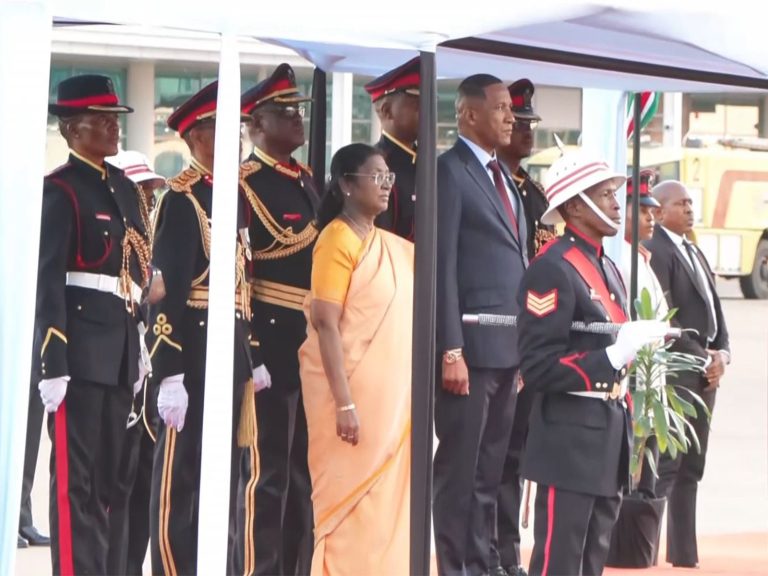
On December 8, 2025, the Togolese capital became the fourth African city to host the Pan-African Congress, following Dar es Salaam, Kampala, and Accra. This five-day gathering, organized under the auspices of the African Union and ending December 12, marks a pivotal moment in the evolution of Pan-Africanism—one that seeks to bridge the past with an increasingly complex future.
More Than a Commemoration
President Faure Gnassingbé emphasized that this congress represents more than just a ceremonial event. In his opening address, he spoke of centuries during which African peoples were dispersed and silenced, lacking their own voice in global affairs. “It is not a commemoration,” he declared. “It is a reaffirmation. It is a reconquest. It is a turning point.”
Nearly 1,000 participants have gathered for the event, including ministers, diplomats, academics, civil society representatives, and leaders from the African diaspora. The congress theme—”Renewal of Pan-Africanism and the role of Africa in the reform of multilateral institutions”—speaks directly to contemporary challenges facing the continent and its global family.
A Movement Rooted in History
The Pan-African Congress tradition began in London in 1900 and has played a foundational role in the struggle for Black emancipation and African decolonization. The movement has influenced liberation efforts across Africa, the Caribbean, and Latin America. However, after the 6th Congress in Dar es Salaam in 1974, the tradition largely lapsed as newly independent governments grew wary that continental unity might challenge their sovereignty.
The return of the congress represents a conscious effort to revive this crucial platform for African solidarity. Eight years have passed since the last congress in Accra, and organizers view this Lomé meeting as essential for addressing critical gaps in Africa’s collective voice.
Bridging the Diaspora Divide
One of the congress’s primary objectives is addressing the disconnect between continental aspirations and diaspora engagement. Foreign Minister Robert Dussey highlighted a troubling paradox: while the African Union explicitly recognizes the diaspora as Africa’s “sixth region” and expresses a desire for greater diaspora involvement in continental development, many Afro-descendants feel abandoned and disconnected from these efforts.
From December 9-12, an economic symposium will focus specifically on mobilizing the diaspora around investment opportunities, project financing, and collaboration with development actors. This practical approach aims to transform symbolic recognition into concrete partnerships that benefit both the continent and its global family.
Redefining Africa’s Global Role
The congress arrives at a moment when African nations are pushing forcefully for reform of multilateral institutions. Togo has reaffirmed demands for two permanent African seats with veto power on the UN Security Council, reflecting broader continental frustrations with current global governance structures.
Discussions will examine how Africa can strengthen its influence at the United Nations, IMF, World Bank, and other international bodies where the continent has historically been underrepresented. The congress provides a platform for developing unified African positions on these critical issues while connecting them to the lived experiences of African people worldwide.
Contemporary Challenges, Timeless Values
According to African Union representatives, today’s challenges—an unequal global order, structural vulnerabilities, climate injustice, and threats to peace—are as decisive as those faced by previous generations. Yet this moment also holds unprecedented promise: Africa is the world’s youngest continent, home to the largest free trade area globally through the African Continental Free Trade Area, and positioned to achieve its ambitious Agenda 2063 development goals.
The congress operates within the framework of the African Union’s “Decade of African Roots and the African Diaspora (2021-2031),” an initiative designed to make diaspora members key actors in continental development. This long-term vision recognizes that Pan-Africanism must evolve beyond rhetoric to become embedded in daily practice through equity, transparency, and genuine inclusion.
From Dialogue to Action
The true measure of the 9th Pan-African Congress will be its ability to translate discussions into tangible outcomes. Organizers have emphasized that success depends on moving beyond speeches to encourage citizen participation, produce concrete recommendations, and ensure follow-through on commitments.
As delegates gather in Lomé this week, they carry the weight of both history and hope—the legacy of those who fought for African liberation and the aspirations of a new generation seeking to define Africa’s place in a rapidly changing world. Whether this congress becomes a true turning point will depend on the actions that follow once the conversations end.
The 9th Pan-African Congress continues through December 12, 2025, in Lomé, Togo.