Contribuer au contenu ou vous faire connaître à l’Afrique et sa diaspora ? Contactez-nous ! Want to contribute content or promote yourself to Africa and its diaspora? Contact us!
Djibouti (Q2 2026): Presidential Continuity, a New Cabinet, and Industrialization Ambitions


Politics, Elections, and Governance
The quarter’s major political event took place on April 10 with the presidential election. Incumbent President Ismaïl Omar Guelleh was re-elected to a sixth term, with the electoral authority confirming his victory at 97.81% of votes cast.
Following the vote, Guelleh was officially sworn in on May 9. Days later, on May 17, he unveiled his new 26-member government, notable for its stronger female representation, with 8 women appointed to ministerial posts.
National Security and Regional Dynamics
Sitting astride the highly strategic Bab-el-Mandeb strait, Djibouti further cemented its role as a diplomatic pivot this quarter. On June 27, President Guelleh held a summit meeting with his Somali counterpart to coordinate cross-border security efforts and regional stabilization amid simmering tensions in the area.
Djibouti’s coastline, particularly around Obock, remained under close watch by armed forces and international agencies given the persistent and complex migration flows toward the Arabian Peninsula.
Public Health and Humanitarian Issues
Presenting his roadmap for the new term on May 19, the president stressed universal access to healthcare and stronger social safety nets, with the administration emphasizing that infrastructure gains must not overshadow the need for social redistribution benefiting vulnerable rural and urban populations.
Cooperation and Development
The new government’s central directive is to accelerate the country’s industrialization under the “Vision Djibouti 2035” development plan, with the goal of diversifying the economy away from its heavy reliance on port and logistics activities, which currently account for more than 70% of GDP.
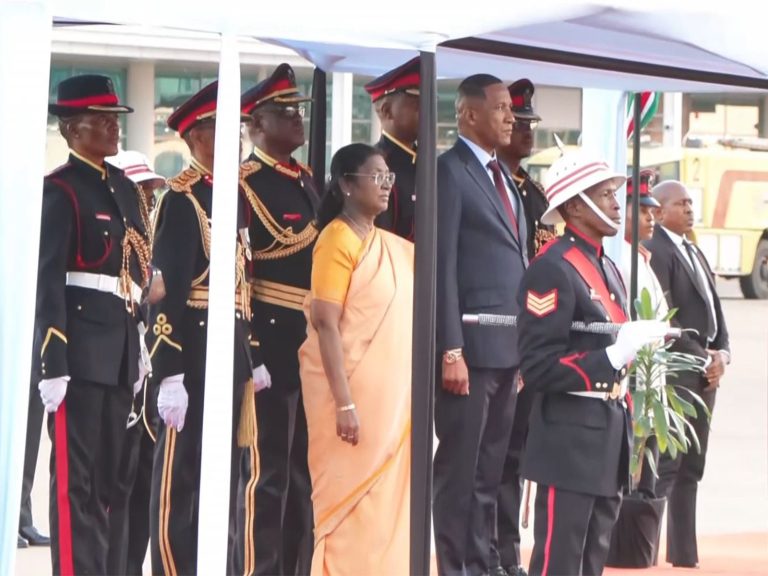
The quarter closed on a patriotic note on June 27, Djibouti’s National Day, as the country marked 49 years of independence with major military parades and public celebrations of national unity.
African Energy Leaders Converge on Paris to Unlock Investment in Continent's Expanding Energy Sector
In short: Djibouti entered the second quarter of 2026 under a banner of institutional continuity with the start of Ismaïl Omar Guelleh’s new term. While safeguarding its position as a global security and logistics hub, the Djiboutian government is beginning this cycle with a stated ambition to diversify its industrial base and strengthen social cohesion nationwide.