Contribuer au contenu ou vous faire connaître à l’Afrique et sa diaspora ? Contactez-nous ! Want to contribute content or promote yourself to Africa and its diaspora? Contact us!
Mark Angel Comedy: The Neighborhood Creators Who Became Africa’s YouTube Royalty

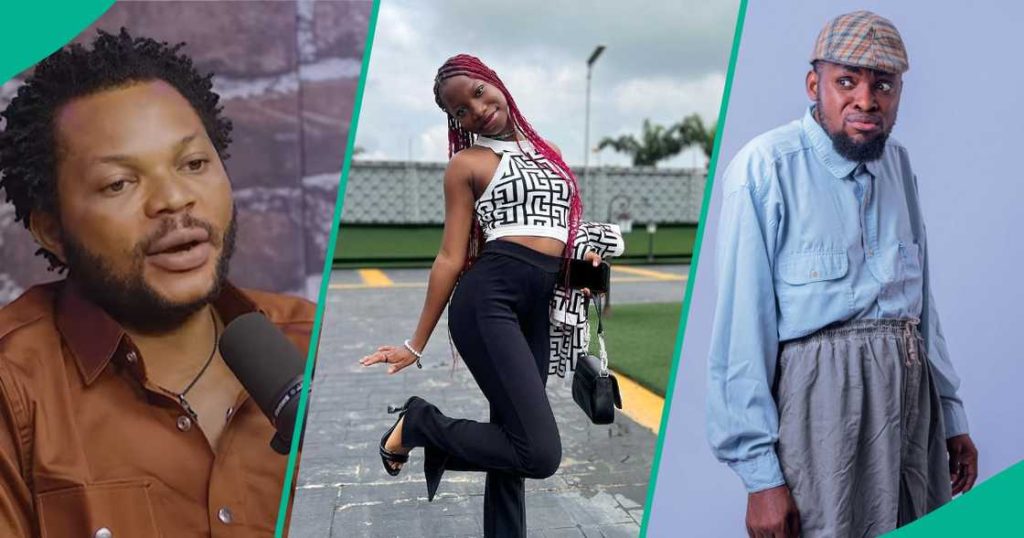
In the history of African digital culture, there is a clear “before” and “after” Mark Angel Comedy. Long before TikTok ruled short‑form video or advertising budgets shifted massively to mobile, a small collective from Port Harcourt, Nigeria, understood the power of online storytelling.
The first African comedy channel to cross the mythical 1‑million‑subscriber mark on YouTube back in 2017, the collective now gathers nearly 10 million subscribers and has accumulated billions of views.
This is the story of a family‑run laughter factory that became a global case study.
The Spark in Port Harcourt: Telling the Streets With Raw Authenticity
The adventure began in 2013, driven by Mark Angel, a young Nigerian passionate about photography and filmmaking who abandoned medical school to pursue visual arts. Unable to break into Nollywood’s hyper‑competitive industry, he decided to build his own independent structure — Mark Angel Comedy — by filming short sketches directly in his neighborhood.
The concept was simple, unpolished, and brilliant:
- slices of everyday life
- neighborhood quarrels
- family chaos in typical African compounds
- no fancy sets, no special effects
The camera rolled in dusty courtyards, against bare cement walls, in the heart of Port Harcourt’s working‑class streets.
This hyper‑local aesthetic became their greatest strength — a breath of fresh air, a mirror of real life in which Africans across the continent and the diaspora instantly recognized themselves.
The Emmanuella Phenomenon: Childhood as a Universal Language
The collective’s stroke of genius was its casting — especially a five‑year‑old girl named Emmanuella Samuel, Mark Angel’s cousin.
Gifted with:
- impeccable comedic timing
- razor‑sharp comebacks
- hilariously expressive facial reactions
she became the face of the channel almost overnight.
The legendary sketch “This Is Not My Real Face” catapulted the collective to international fame. Emmanuella became the youngest recipient of major continental influencer awards and even landed collaborations leading to long‑form projects with Disney.
Later, the collective repeated the magic with Aunty Success, proving that their model thrives on the innocence and mischievousness of children confronting the absurdity of adults — often played by Mark Angel himself.
The Power of Long‑Form and the YouTube Business Model
While most modern influencers struggle with the shifting algorithms of TikTok and Instagram, Mark Angel Comedy built a stable economic fortress around YouTube and Facebook.
They evolved from simple sketches to structured web series such as:
- House Keepers
- Living With Dad
These longer episodes, released at an industrial pace several times a week, attract tens of thousands of viewers per drop.
This strategy maximizes YouTube AdSense revenue, a rare achievement on a continent where access to monetization programs is often complex.
But the collective didn’t stop there. Instead of relying solely on product placements, Mark Angel created the Mark Angel Film Academy, training the next generation of creators and audiovisual technicians.
What began as a neighborhood channel is now a fully autonomous independent production studio.
The Legacy of the Pioneers
Mark Angel Comedy proved that you don’t need Hollywood studios or million‑dollar budgets to touch the heart of a global audience.
By holding up a humorous, tender mirror to everyday life in African neighborhoods, they opened the door for an entire generation of web comedians — and demonstrated that raw creativity remains the strongest currency on the internet.
They didn’t just make people laugh. They changed the trajectory of African digital storytelling.